Do you miss the creamy taste of oatmeal, coffee, tea, or soups in the backcountry? Powdered milk is the easy fix: it is shelf-stable, portable, and lightweight, so it adds flavor and nutrition without the weight or spoilage of fresh milk. On short hikes and longer backpacking trips, I always pack dry milk for tea, coffee, oatmeal, and a quick drink, because it is calorie and nutrient dense, which is exactly what you want on the trail.
There are plenty of dry milk options, but they vary a lot in fat content, taste, how easily they mix, and shelf life. Below I have compared the powdered milk brands most worth packing, organized from nonfat to whole to dairy-free, so you can match one to your trip.
For long storage in a lightweight nonfat form, the Augason Farms Nonfat Dry Milk is the go-to. For the easiest mixing in cold water, the Carnation Instant Nonfat. For the best taste and the most calories, the whole-milk NIDO Fortificada is the backpacker’s favorite, with Hoosier Hill Farm Whole for creaminess and Nestlé KLIM as the budget whole-milk option. And for a dairy-free choice, the Z Natural Coconut Milk Powder.
Quick Comparison
| Brand | Type | Best for |
|---|---|---|
| Augason Farms Nonfat | Nonfat (instant) | Long storage, lightweight |
| Carnation Instant Nonfat | Nonfat (instant) | Easy mixing, single packs |
| NIDO Fortificada | Whole (fortified) | Best taste and calories |
| Hoosier Hill Farm Whole | Whole | Creamy taste, cooking |
| Nestlé KLIM | Whole | Affordable whole milk |
| Z Natural Coconut | Non-dairy (coconut) | Vegan and keto, dairy-free |
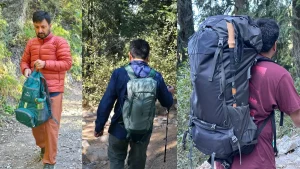
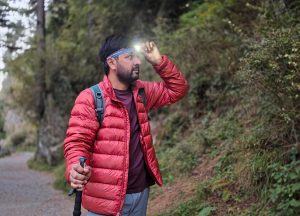
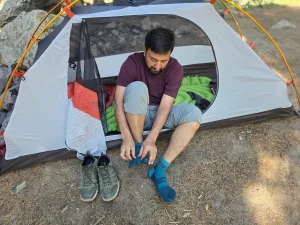
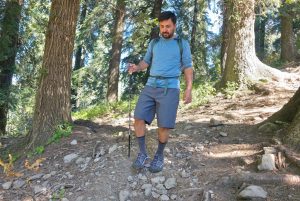
How I label these picks: I use powdered milk regularly on the trail (the photos here are from my own trips), but I have not run a controlled taste-test of these six specific brands, so each is a researched pick. I rank them using my experience packing and using dry milk on the trail, the nutrition that matters for hiking, and consistent long-term consumer and reviewer feedback. Each is labeled in its section.
What is Powdered Milk
Powdered or dry milk is a convenient and shelf-stable alternative to liquid milk. It is made by removing water from pasteurized milk through heating and drying. You can reconstitute it by adding water, making it useful for camping trips or emergency preparedness kits.
While some claim that powdered milk lacks the taste and texture of fresh milk, technological advancements have made modern powdered milk almost indistinguishable in flavor and appearance. Many baking recipes call for powdered milk to add a rich creaminess to baked goods.

Best Powdered Milk Brands Review
1. Augason Farms Nonfat Dry Milk
The Augason Farms 100% Real Instant Nonfat Dry Milk is the storage-and-value pick. Its headline feature is a sealed shelf life of up to 20 years. This suits both deep stockpiles and the lightweight, long-lasting end of trail food. (Note that this is the brand’s real nonfat milk.)
What stands out in reviews is that it mixes easily and tastes clean for a nonfat powder. It even mixes better in cold water than many others. In at least one reviewer’s blind test, people could not tell it was powdered. But it has fewer calories per ounce than a whole-milk powder. So it is more about light weight and long storage than maximum fuel. As an affordable, dependable, long-storing nonfat option, it is a smart staple to keep on hand.
Pros
- Up to 20-year sealed shelf life; great for storage
- Mixes easily and tastes clean for a nonfat powder
- Affordable in bulk
Cons
- Fewer calories per ounce than whole-milk powders
- Less rich than full-fat options
Best for: Long-term storage and a light, clean-tasting nonfat milk.
2. Carnation Instant Nonfat Dry Milk
If taste is your priority, Carnation is the one to beat. In a side-by-side taste test of eight brands, it was the clear winner, earning the most five-star scores. Testers wrote that it “tastes the most like actual milk” and called it rich, sweet, and creamy. It dissolves easily, including in cold water. It also comes in convenient single-serve packets and is fortified with vitamins A and D.
The catch for backpackers is the flip side of being nonfat because it had the lowest calories per ounce of any brand in that same test. So it is the least weight-efficient choice for carrying fuel. That makes it a great pick for car camping and day hikes where taste beats calorie density. Buying the single packets also costs more per serving than a bulk bag.
Pros
- Best-tasting in blind tests; “most like real milk”
- Dissolves easily, even in cold water; fortified with A and D
- Convenient single-serve packets
Cons
- Lowest calories per ounce here (nonfat), so least weight-efficient
- Single packets cost more per serving
Best for: Hikers and campers who want the best taste over calorie density.
3. NIDO Fortificada Dry Whole Milk
If you are choosing one powdered milk for the trail, NIDO Fortificada is the top pick. This is the one most long-distance hikers carry, and the research backs up why. It is a fortified whole-milk powder, and across backpacking forums and gear roundups, it is consistently the most-mentioned, most popular brand among thru-hikers. The reason is calories: at roughly 142 calories per ounce, it carries the most energy per unit of weight of any cow’s-milk powder. This comes with real fat and protein rather than just sugar, which is exactly what a long, hungry day needs.
Many hikers love it mixed into coffee, cocoa, oatmeal, or a cheese sauce, and even cold with granola or on a hot day. But plenty of people cannot drink it straight. One long-distance hiker on a backpacking forum called it hard to choke down. A structured taste test rated its straight-up flavor a middling 3 out of 5 while praising its easy mixing. It is fortified with added vitamins and iron, too. It is cheap and easy to find at Walmart and Latino grocery stores (often in big canisters, sometimes in small cans). For calories and trail use, it is the pick.
Pros
- Most calories per ounce of any cow’s-milk powder (~142 cal/oz)
- The consensus thru-hiker favorite; fortified with vitamins and iron
- Great in coffee, cocoa, oatmeal, and cheese sauces; cheap and easy to find
Cons
- Divisive taste drunk straight (better in recipes than as a plain glass)
- Whole-milk fat shortens its shelf life once opened
Best for: Calorie-focused backpackers who want one whole-milk powder.
4. Z Natural Coconut Milk Powder
For dairy-free hikers, Z Natural Coconut Milk Powder is the standout. It has a hidden backpacking advantage: at roughly 194 calories per ounce, it is the most calorie-dense option in this whole guide. It is mostly fat with very little sugar. That makes it appealing for vegan, keto, or lactose-intolerant hikers who still want energy per ounce.
But it is the hardest of these powders to mix and is prone to clumping. You need to do vigorous stirring or shaking. Its taste trails the top dairy brands, with a coconut note that comes through in whatever you add it to.
You also tend to need more of it to get a milky result in tea or coffee. If you drink dairy, a whole-milk powder will mix more easily and taste more neutral. But for dairy-free hikers who care about calories, this fills the gap better than anything else here. (Lactose-intolerant hikers who still want a dairy taste sometimes use powdered goat milk instead.)
Pros
- Most calorie-dense pick here (~194 cal/oz); dairy-free, vegan, keto
- Works for tea, coffee, soups, and meals
Cons
- Hardest to mix; clumps and needs vigorous stirring
- Coconut flavor and needs more powder for a milky result
Best for: Vegan, keto, and dairy-free hikers who want calories.
5. Hoosier Hill Farm Whole Milk
Hoosier Hill Farm Whole Milk is a whole-milk powder made in the USA with no additives. It comes in a resealable bag, which makes it easy to scoop out what you need and store the rest between trips. Being whole milk, it is calorie-dense (around 600 calories per 100 grams), so it carries energy well.
On flavor, reviews put it in the middle of the pack rather than at the top. In one taste test, it was “neither loved nor hated,” with a couple of testers calling it slightly watery or dry. Where it shines is in cooking and baking, gravies, sauces, puddings, and richer coffee. Like other whole-milk powders, it takes a bit more stirring to fully dissolve. For camp cooking and a no-additives whole milk, it is a solid choice.
Pros
- Whole milk, no additives, made in the USA; resealable bag
- Calorie dense (~600 cal/100g); great for cooking and baking
- Creamy in coffee and recipes
Cons
- Middle-of-the-pack flavor drunk straight
- Takes more stirring to fully dissolve
Best for: Camp cooking, baking, and a no-additives whole milk.
6. NESTLE KLIM Powdered Milk
Nestlé KLIM is the budget whole-milk option. It’s very popular worldwide and a sensible value choice for the trail. It delivers the creaminess and calorie density of whole milk at a lower price than several specialty brands. It works for drinking, coffee, cooking, and baking.
Owners note that a little goes a long way toward providing a decent creamy flavor. So a bag stretches across a long trip, which is good value when you are carrying calories by the ounce. It blends with reasonable ease, though like any whole-milk powder, it benefits from a moment of stirring, especially in cooler water. If you want whole-milk richness and calories without paying a premium, it is the practical pick.
Pros
- Affordable whole-milk powder; widely available
- Creamy and calorie dense; a little goes a long way
- Versatile for drinking, coffee, cooking, and baking
Cons
- Whole-milk fat means a shorter open-shelf life
- Needs a moment to dissolve fully in cold water
Best for: Budget-minded hikers who want whole-milk calories.
How to Choose Powdered Milk for the Trail
Types of Powdered Milk
- Whole Milk Powder
Rich, creamy taste, ideal for a fuller flavor. I love my oatmeal and tea with whole milk powder.
- Skim Milk Powder
Lower in fat, lighter flavor. Which one is better, skim or whole milk? It depends on the personal preference. I prefer whole powdered milk not only for a richer taste but also for extra calories and fat. But why? You burn more calories during hiking, and extra calories help to pack less food for eating.
- Non-Dairy Milk Powders (soy, almond, coconut, etc.)
Suitable for those with dietary restrictions or for vegan and keto food lovers.
- Instant vs. Regular Powdered Milk
Instant powdered milk, as the name suggests, is easy to mix, but it’s not as creamy as the regular powdered milk. You can give a try to both of them and choose the ones that you prefer. I usually go with regular powdered milk to get more calories, a better taste, and a creamier texture.
Ease of Mix
After a long day on the trail, the last thing you want is to spend too much time cooking or prepping drinks. That’s why choosing a powdered milk that mixes easily is key. Carnation Instant Nonfat Dry Milk performed really well on the trail—it dissolved quickly and without any hassle.
On the other hand, the whole milk powders I tried took a little more time to mix, but they’re definitely worth it if you prefer the richer taste of whole milk.
Unfortunately, Z Natural Coconut Milk Powder didn’t mix well at all, and the clumps were a real pain to deal with. When you’re tired, it’s frustrating to deal with milk that doesn’t dissolve easily.
That being said, most of the powders I tested did well when it came to cooking, as they blended more quickly in hot water and food, making them a better option for meal prep on the go.
Taste
Let’s be honest, you don’t get much tasty food on the trail. You have to rely mostly on freeze-dried foods and trail mixes. That’s why I take the best-tasting powdered milk for drinking, such as NIDO Fortificada Dry Whole Milk and Augason Farms Nonfat Dry Milk. NIDO Fortificada with full fat is a tastier option with its creamy texture.

Honestly, when you’re out on the trail, a hot drink or a tasty meal can be a much-needed morale boost and refreshment. Taking tasty powdered milk plays a key role in that. Also, if you are an avid backpacker, you’ve probably noticed that when you’re on a long hike, especially, everything tastes a little more intense.
Therefore, having powdered milk that actually tastes good can turn a simple cup of hot coffee into a great meal or make your morning oatmeal something you look forward to instead of just powering through.
Calories
Nothing can replace calorie-dense, nutritious food on the trail. Backpacking is a physically demanding activity where you burn calories quickly. That’s why you’ll want milk with extra calories, such as whole dry milk.
High-calorie powdered milk is compact and easy to pack, saving you precious space in your backpack. It’s also rich in fats and carbohydrates, which help with endurance on long hikes.

In addition to calories, some powdered milk provides additional vitamins and minerals like calcium and potassium, which support health and hydration. But if you don’t drink whole milk, it’s better to opt for non-fat milk powder instead of instant skim milk powders.
Summary
The best powdered milk depends on your trip. For backpacking, NIDO Fortificada wins on the metric that matters most, calories per ounce, and is the consensus thru-hiker pick, as long as you use it in coffee and meals rather than as a plain glass. Carnation is the best-tasting but the lightest on calories, Augason Farms is the long-storing nonfat staple, Hoosier Hill Farm and Nestlé KLIM cover whole-milk cooking and budget needs, and Z Natural Coconut is the dairy-free, most calorie-dense option. Match the type to whether you are counting ounces or chasing taste, and pre-portion it so it stays dry on the trail.
Related: