My Verdict
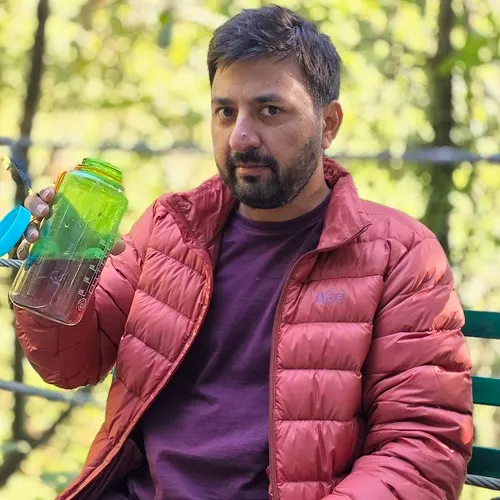
Camping and hiking take a lot of hydration, and you want a bottle that just works. The Nalgene Wide Mouth Sustain 32 oz is exactly that: affordable, nearly indestructible, reliable, and simple, which is why it has earned its place among hikers, campers, and adventurers, and why it is my top pick in my best water bottles for hiking guide.
Nalgene built this bottle around durability, low weight, and sustainability, and it shows. The one real drawback is the lack of insulation, so water warms up or freezes with the weather. But the affordable price and the bombproof build more than make up for that, and for most hikers this simple bottle is all they need.
My Rating: 4.8 out of 5
- Durability: 5.0/5
- Ease of use and cleaning: 4.8/5
- Versatility: 4.6/5
- Value: 5.0/5
- Weight: 4.0/5
I score the Nalgene on what it is built to do, and on those terms it is close to perfect: it survives years of abuse (backed by a lifetime warranty), refills and cleans easily, does a dozen jobs, and costs very little. It loses points only on weight, since at 6.25 oz it is not the lightest choice. I did not score it on insulation, because this bottle is not designed to insulate, but that is its one real limitation and I cover it below.
Nalgene Wide Mouth: My Hands-On Testing
Value for Money
For me, the value shows up over time. I have carried the same Nalgene for years across day hikes and backpacking trips, and it has never once given me a reason to replace it, so I stopped thinking about bottles altogether. At around $17 it costs a fraction of the premium insulated bottles I have looked at, and you still get durability, sustainability, versatility, and simple, no-fuss performance, with the Sustain version using 50% recycled Tritan on top of that.
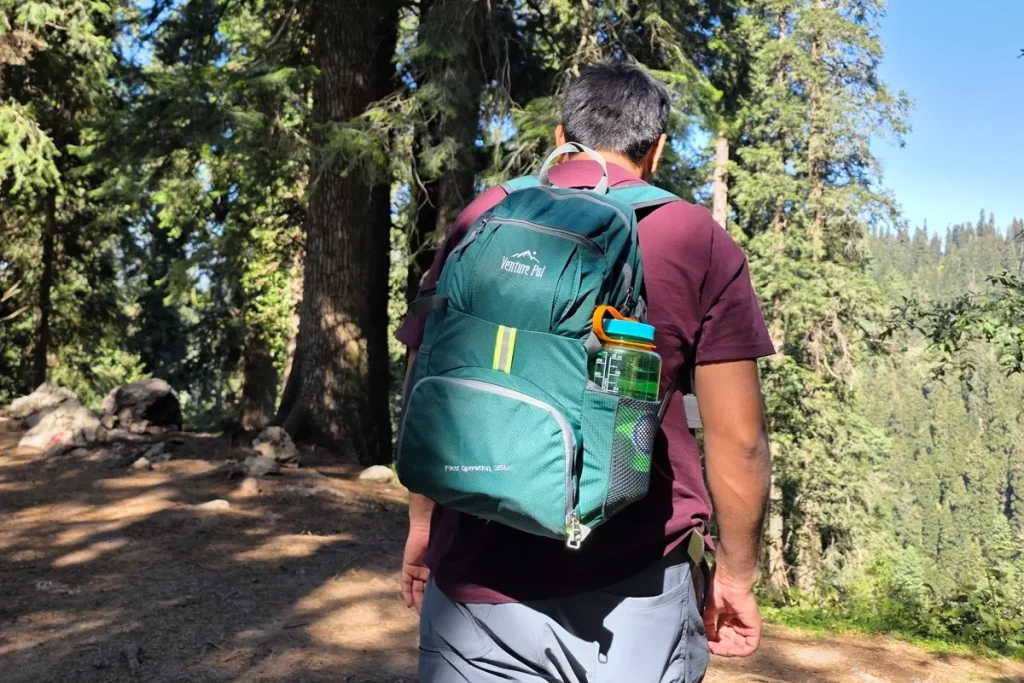
It does not insulate the way a Hydro Flask does, but it holds its own on weight and beats most bottles on price. Whether I am heading out for an easy local hike or into the backcountry, it performs the same, consistently, and that reliability is what makes it feel like money well spent to me.
Leakproof Closure
I have thrown this bottle into the bottom of my pack, sideways and buried under everything else, and never had water escape onto my gear, which is the real test of a seal for me. The screw cap bites down on continuous, semi-buttress threads and seals tight every time, and the attached plastic loop means I have never lost the lid.
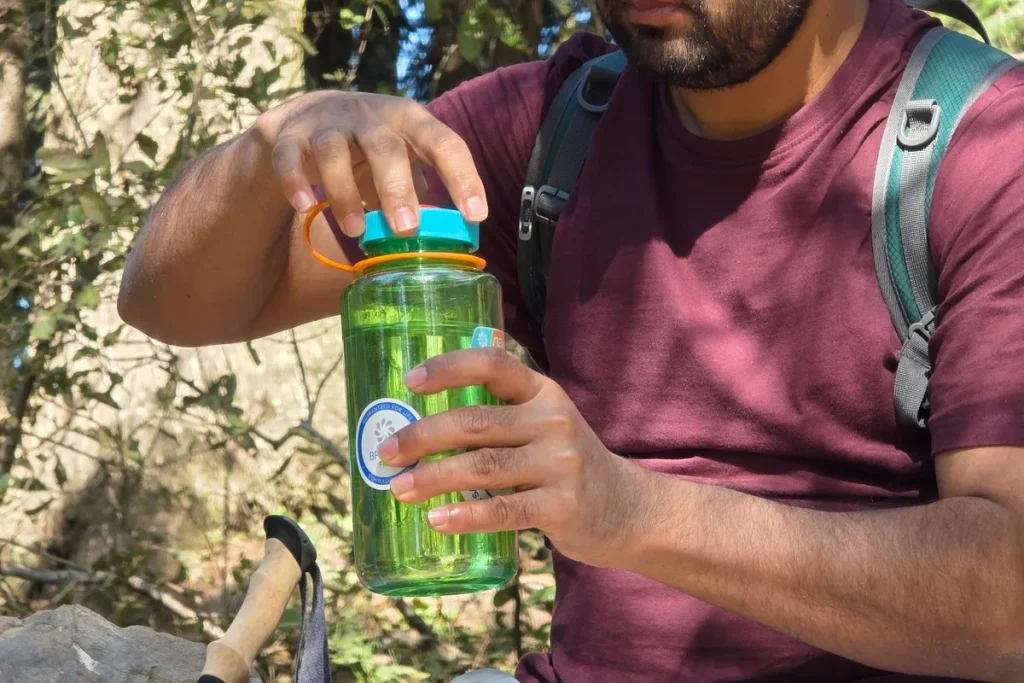
There is no flip-top or straw lid here, but I do not miss them, because the wide opening makes the bottle so easy to fill and clean. For something this simple, the sealing is one of the things I trust most about it.
Quality and Durability
Durability is the main reason I keep reaching for it. Over years of hiking, mostly in rough, rocky desert terrain, I have dropped it, knocked it around camp, and let it rattle loose in my pack, and all it has to show for it are scuffs that never affect how it works. It is made from BPA- and BPS-free Tritan, and on long hikes it just goes.
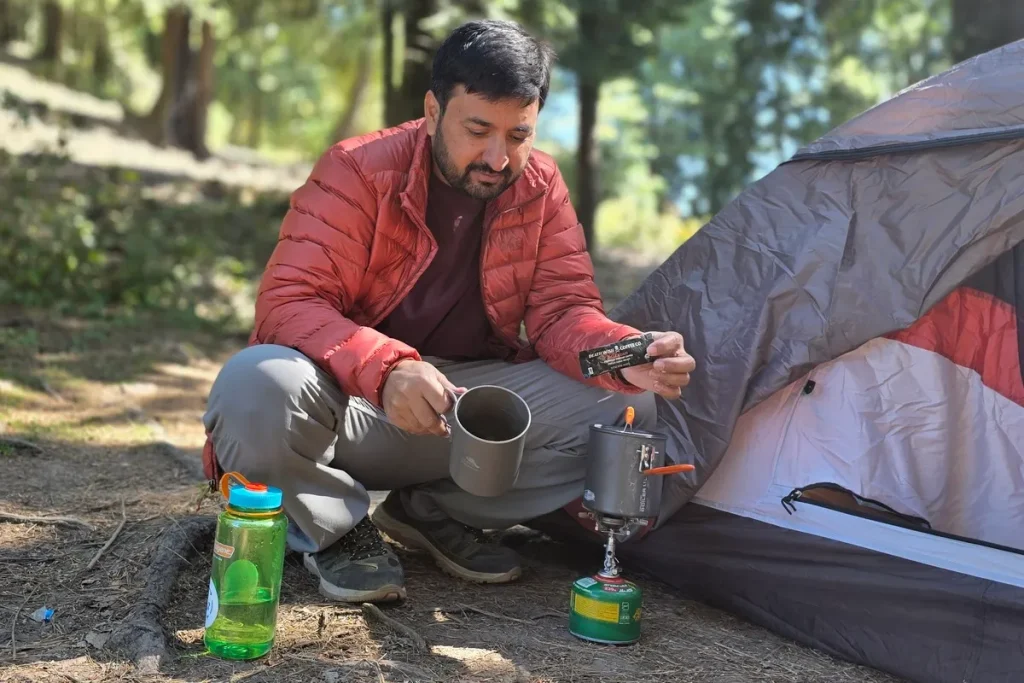
I also pushed it on temperature. I froze water in it in extreme cold, and I poured boiling water into it many times on the trail, and I never saw a crack or any deformation. That tracks with the spec: Nalgene rates the bottle from -40°F to 212°F, so it is built to both freeze and handle boiling water. I still tend to avoid using either extreme as a routine, but that is my own preference rather than a durability limit. Few bottles I have owned, glass or plastic, hold up to this kind of use.
Insulation Capabilities
Insulation is the one place this bottle lets me down, and I feel it most on hot desert hikes, where the water turns warm within a couple of hours. With no double wall, cold drinks do not stay cold and hot drinks do not stay hot. When I know it will be a hot day, I either pre-freeze the bottle the night before or plan to drink the cold water early, and Nalgene does sell an insulating sleeve to help. But if keeping water cold on a hot day is your priority, this is not the bottle for that on its own, and an insulated bottle like a Hydro Flask is the better tool.
Taste and Odor
Plain water has always tasted clean to me out of this bottle, with none of the plastic aftertaste I get from cheap bottles, which I put down to the BPA- and BPS-free Tritan. It took a wash or two when new, and after that it has stayed neutral.
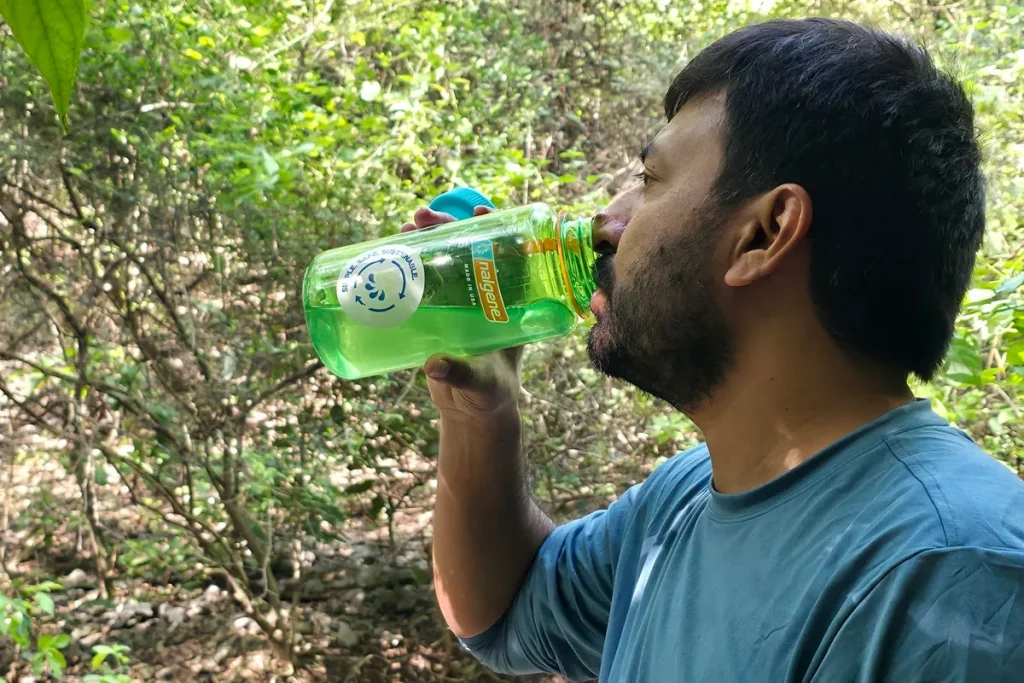
The one time I notice anything is after I have mixed electrolyte powders or a drink mix in it, when a faint smell can linger until I give it a proper scrub, which the wide mouth makes easy. That is more about my washing habits than the bottle. If you are highly sensitive to taste, a stainless steel bottle may suit you better, but it has never bothered me.
Ease of Use
The wide mouth is the feature I appreciate most day to day. I can fit my hand inside to scrub it clean, drop in ice or electrolyte tablets, and fill it straight from a shallow stream or a filter without needing a funnel, and it is just as easy to clean in the dishwasher (the bottle goes on the top rack, and I hand-wash the cap). The mL and oz markings on the side are especially useful to me for mixing electrolyte powders to the right strength and measuring water for backcountry meals.
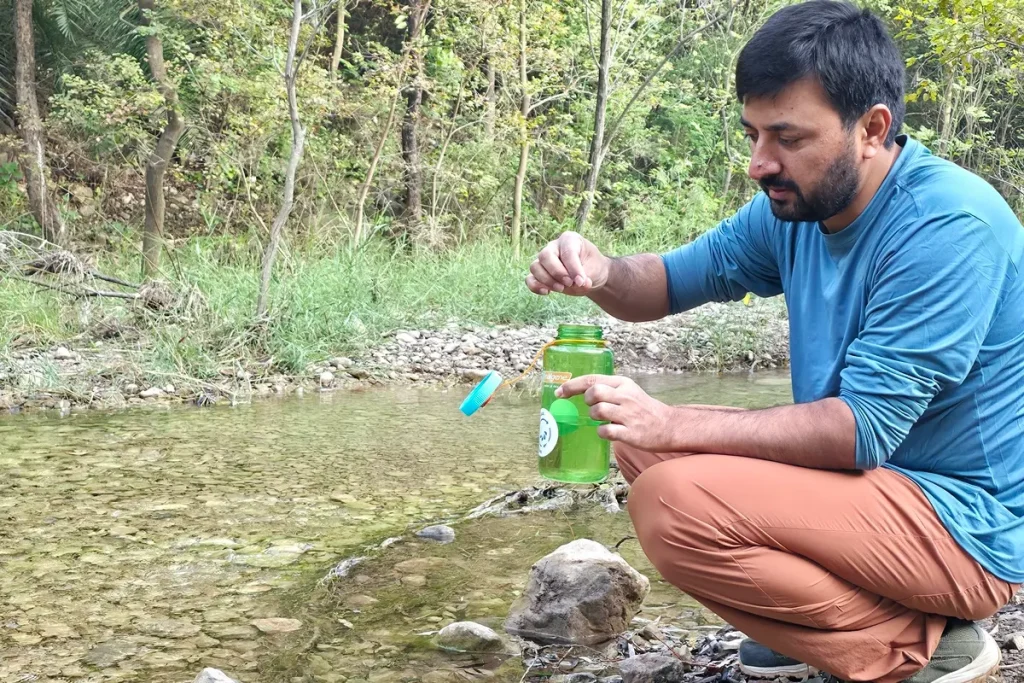
The bottle slips into most of my pack’s side pockets, though it is too wide for a car cup holder, and while some people want a dedicated handle, the loop-top lid gives me enough to grab. Small quirks aside, it is about as easy to live with as a bottle gets.
Pros and Cons
Pros: Nearly indestructible and backed by a lifetime warranty, leakproof, lightweight for a rigid bottle, wide mouth that fits filters and ice and cleans easily, measurement markings, low odor and taste retention, made in the USA from recycled material, and inexpensive.
Cons: No insulation, so it does not keep drinks cold or hot. It is not the lightest option at 6.25 oz, it is too wide for most car cup holders, and it can hold onto the smell of flavored drinks if you do not clean it well.
How Does the Nalgene Compare?
The Platypus Platy 2.0L is ultralight, collapsible, and holds more water, which makes it excellent for backpacking and long carries, but it is less durable, harder to clean, and awkward to drink from on the move. I use one alongside my Nalgene for extra capacity, and I cover it in my Platypus Platy 2.0L review.
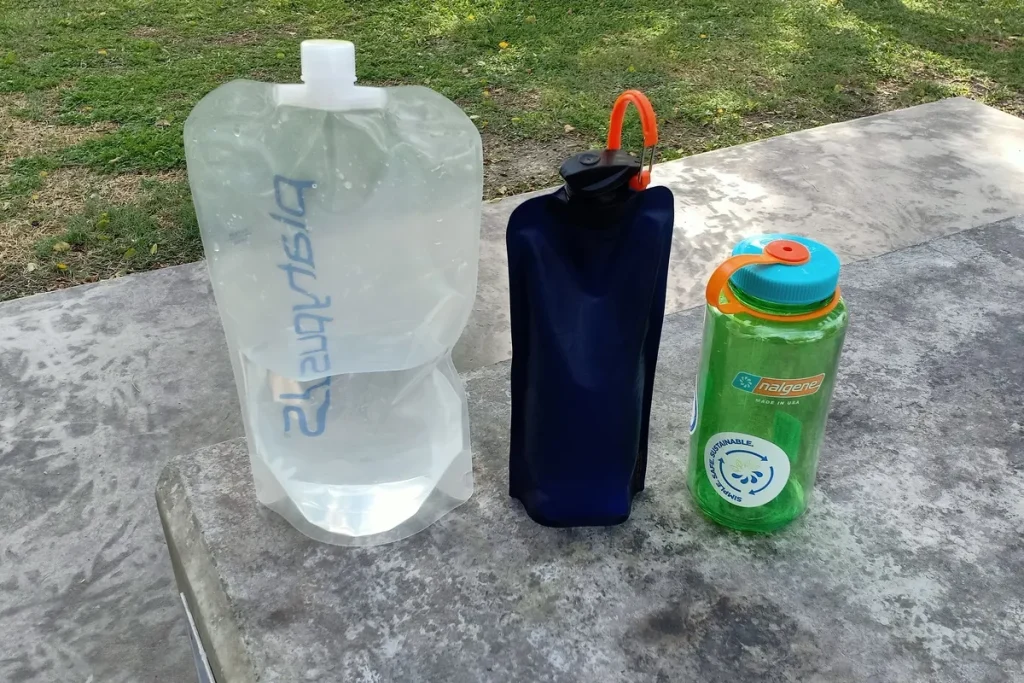
The Hydro Flask Wide Mouth brings real insulation and a sleek stainless build, so it keeps drinks cold or hot, but it costs more and weighs significantly more than the plastic Nalgene.
In short, the Nalgene wins on weight, price, and durability, while giving up insulation to the Hydro Flask and collapsibility to the Platypus. For general, all-around hiking use, it remains my favorite because it does the core job so simply and reliably. See how they all stack up in my best water bottles for hiking guide.
How I Tested
I have used the Nalgene Wide Mouth Sustain 32 oz across many hikes and everyday use, filling it from taps, streams, water filters, and camp water containers. I tossed it loose in my pack to check the seal, carried it in side pockets over rough miles, and deliberately pushed the temperature limits by freezing water in it in extreme cold and pouring boiling water into it many times on the trail. Through all of that it never cracked, deformed, or leaked. I did not use it as an insulated bottle, because it is not one, so I cannot claim it keeps drinks cold or hot. This review reflects real trail and daily use, not lab testing, and it lines up with why I rank the Nalgene as my top overall hiking bottle.
Conclusion: Is the Nalgene Worth It?
Yes. The Nalgene Wide Mouth Sustain is an excellent choice if you want an affordable, reliable, durable, and reasonably light water bottle. It is not insulated, but it delivers endurance, outstanding value, and everyday ease of use, and it is backed by a lifetime warranty that few competitors match. For hikers who value durability and simplicity over keeping drinks cold, it is the most dependable, cost-effective bottle you can carry. For a broader look at why this simple bottle became such a trail staple, read my guide on why hikers still love Nalgene bottles.
Related: Best Collapsible Water Bottles